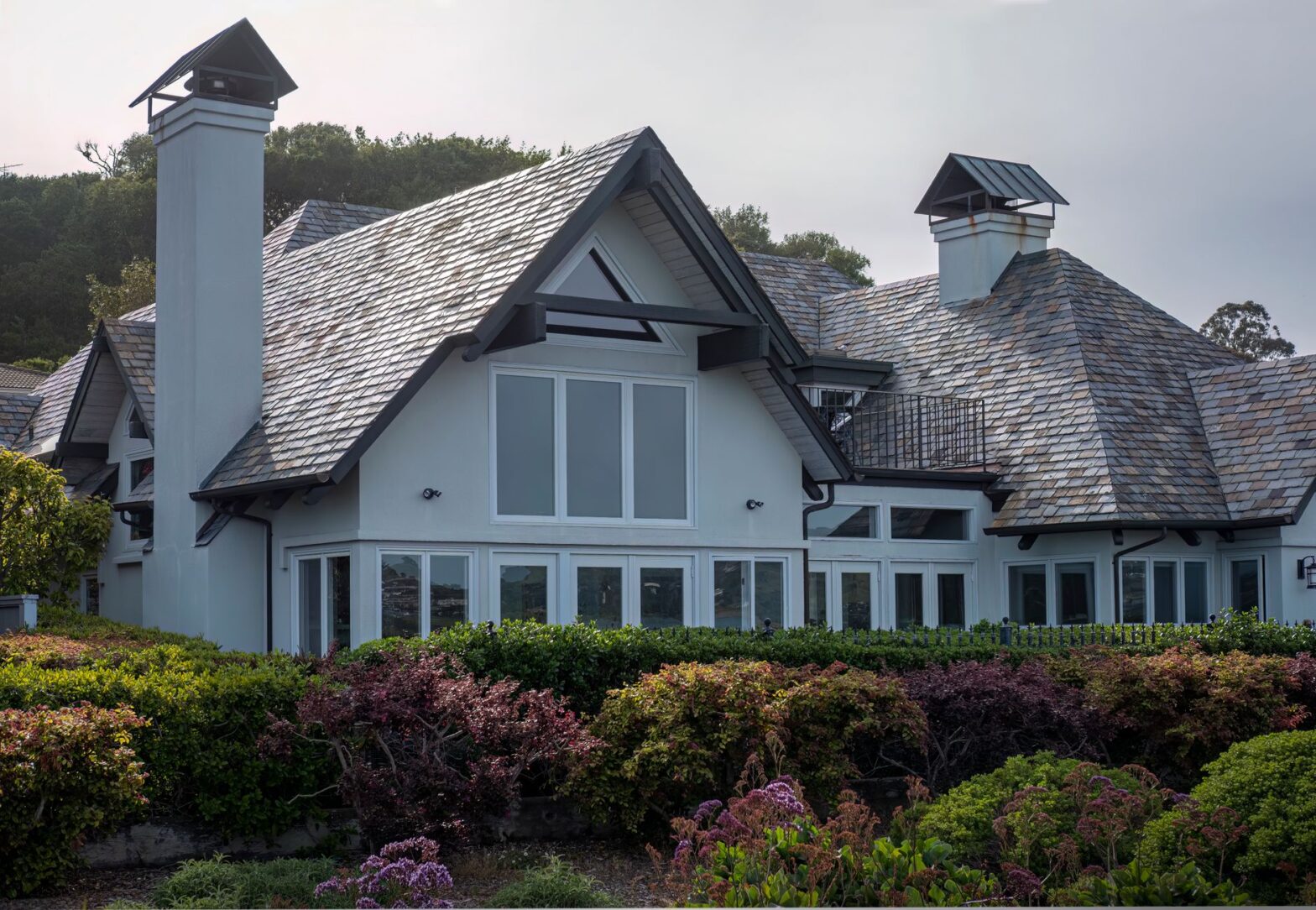
The roof is one of the hardest-working parts of any house, yet it tends to get the least attention until something goes wrong. It shields everything underneath from rain, wind, sun, and snow, and it does so quietly for years at a time. Understanding how a residential roof works, how long it should last, and when it needs care can save homeowners from expensive surprises and help them make smarter decisions when repair or replacement finally comes around.

Common Roofing Materials and How They Differ
Most homes in North America are topped with asphalt shingles, and for good reason. They are affordable, come in a wide range of colors, and are relatively easy to install and repair. A quality asphalt shingle roof can last anywhere from twenty to thirty years depending on climate and maintenance.
Beyond asphalt, there are several alternatives worth knowing. Metal roofing has grown in popularity thanks to its longevity and resistance to fire and wind, often lasting fifty years or more. Clay and concrete tiles are common in warmer regions and offer excellent durability, though their weight requires a structure built to support them. Wood shakes bring a natural look but demand more upkeep, while slate stands as one of the most durable options available at a premium price. Choosing among them usually comes down to budget, local weather, and the architectural style of the home.
Signs Your Roof Needs Attention
Roofs rarely fail all at once. They usually give warning signs that, if caught early, can be addressed before serious water damage sets in. Curling, cracked, or missing shingles are among the most visible clues. Granules collecting in gutters suggest shingles are wearing down. Inside the home, water stains on ceilings, a sagging roofline, or daylight visible through the attic all point to problems that need prompt evaluation.
Age matters too. If a roof is approaching the end of its expected lifespan, even small issues can be a signal that a larger repair or full replacement is on the horizon. Regular inspections, especially after severe storms, help homeowners stay ahead of these problems rather than reacting to them after a leak appears.
Repair, Replace, or Maintain
Not every roofing issue calls for a complete tear-off. A few missing shingles or a small area of damage can often be repaired at modest cost. The decision to replace usually depends on the extent of the damage, the age of the existing roof, and whether repairs are becoming a recurring expense. When more than a quarter of the roof is affected, or when the underlying deck has been compromised by moisture, replacement often makes more financial sense in the long run.
Whatever path you choose, the quality of the workmanship matters as much as the materials. Even the best shingles will fail early if flashing is installed poorly or ventilation is neglected. Working with a contractor who provides a reliable roof installation ensures that details like underlayment, drip edges, and attic airflow are handled correctly, which protects the investment for decades. Routine maintenance such as clearing debris, trimming overhanging branches, and keeping gutters clean also extends the life of any roof.
Planning for the Investment
A new roof is a significant expense, but it is also one of the improvements that most directly protects the rest of a home. Budgeting ahead of time, getting more than one estimate, and asking about warranties can help homeowners avoid rushed decisions made under the pressure of an active leak. It also helps to understand what is included in a quote, since labor, disposal of old materials, and permits all factor into the final cost.
A roof does its job best when it is chosen thoughtfully, installed carefully, and maintained regularly. By learning the basics of materials, watching for early warning signs, and partnering with trustworthy professionals, homeowners can keep their houses dry and secure for many years without unwelcome surprises overhead.