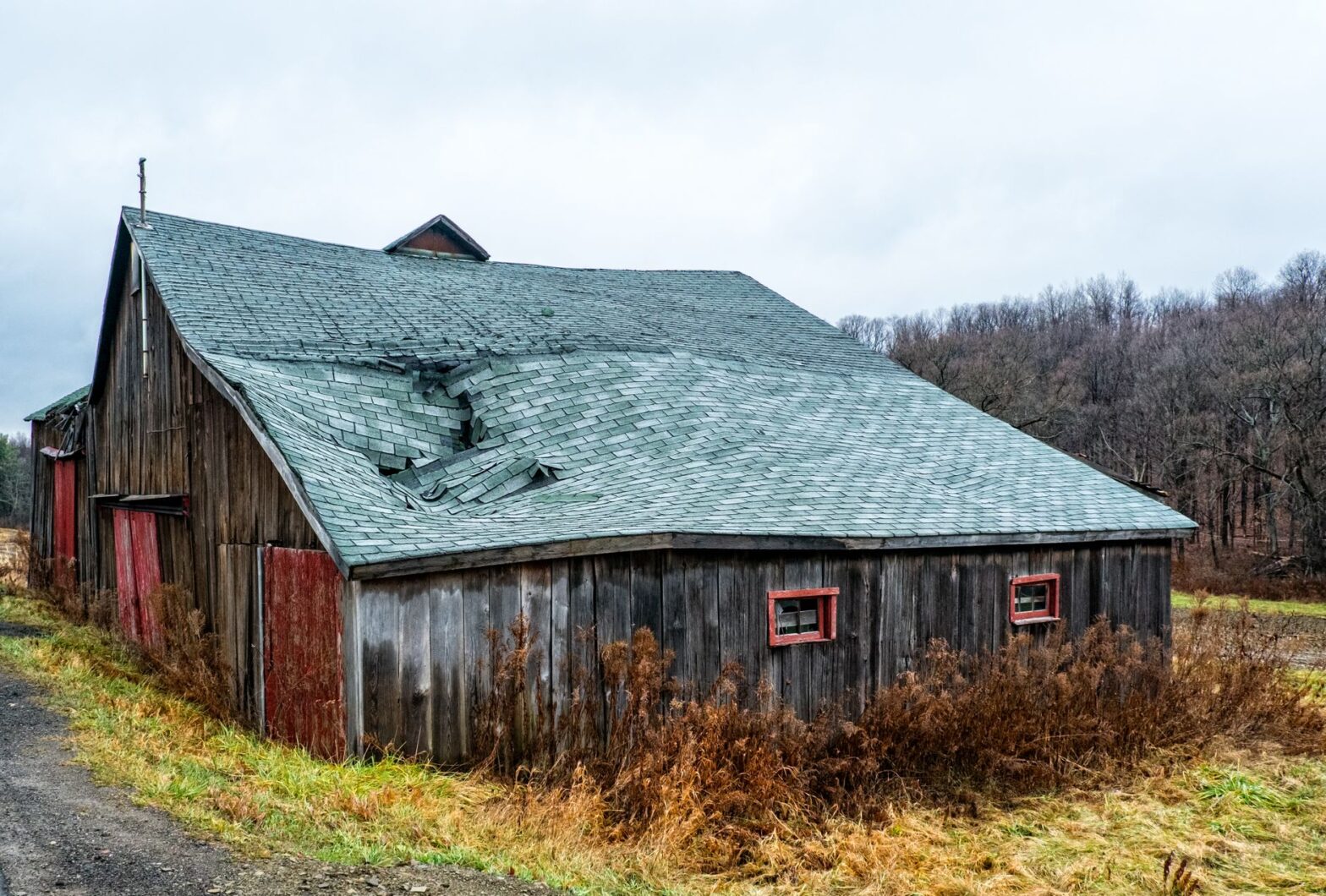
Ask ten homeowners whether they need a roof repair or a full replacement, and most of them have already made up their minds before anyone climbs a ladder. That instinct — driven by a leak, a neighbor’s story, or a scary sales pitch — is exactly where the trouble begins.

The honest answer is that the choice sits on a spectrum, not a switch. Plenty of roofs get replaced years too early, and plenty get patched long past the point where patching makes any sense. Understanding why people land on the wrong side of that line is more useful than any blanket rule.
Where the repair-versus-replace confusion really starts
Most confusion comes from treating a roof as a single object rather than a system. When one part fails, people assume the whole thing has failed. In reality, a roof is layers of material with very different lifespans, and a problem in one layer doesn’t automatically condemn the rest. The decision hinges on which layer is compromised, how widespread it is, and how much serviceable life the surrounding materials have left.
The myth that a single leak means the whole roof is done
A leak feels catastrophic because you see the damage inside your home, not on the roof. But a single leak is usually a localized failure — a lifted shingle, a cracked boot around a vent, or failed flashing at a chimney. These are among the most common and most fixable problems there are. Replacing an entire roof because of one entry point is like replacing a car because of a flat tire.
Why patching sometimes costs more than people expect
The flip side is just as real. Repeated small repairs on an aging roof can quietly add up to more than a replacement would have cost, especially when each visit only buys another season or two. Matching old shingles gets harder as they age and fade, and every patch is a new seam that can eventually fail. Repair is smart when the roof has years left; it becomes false economy when you’re spending money to postpone the inevitable.
What contractors actually look for during an honest inspection
A thorough inspection is less about the shingles you can see from the street and more about the condition of the whole assembly. Good contractors check for granule loss, brittleness, curling, and how the shingles behave when flexed. They look at flashing, valleys, and penetrations, since those fail long before the field of the roof does. They also go into the attic, because the story from underneath often contradicts the story from above.
The overlooked role of underlayment and decking
Homeowners fixate on shingles because that’s the visible part, but the underlayment and the wood decking beneath it decide a roof’s real health. Soft, delaminating, or water-stained decking changes the equation entirely — you can’t reliably fasten new material to a compromised surface. When decking is failing across large areas, replacement stops being a choice and becomes a structural necessity, regardless of how the shingles look.
How insurance claims skew the decision in surprising ways
Insurance can quietly tip the scales in either direction. A covered storm event might make a full replacement affordable when repair would otherwise have been the sensible call. On the other hand, a denied or partial claim can pressure someone into a cheap patch that ignores the underlying condition. The decision that makes sense for your roof and the decision that makes sense for your claim aren’t always the same, and it pays to keep them separate in your head.
Choosing among reputable roofers in johnstown pa without falling for pressure tactics
Be wary of anyone who reaches a verdict before inspecting the attic, or who insists the offer expires today. A trustworthy contractor will explain what they saw, show you photos, and lay out both options with honest tradeoffs rather than steering you toward the more expensive one by default. Working with established roofers in johnstown pa who put their assessment in writing gives you something you can compare, question, and hold them to.
A straight-talk framework for making the call yourself
Start with three questions: How old is the roof, how localized is the problem, and what does the decking look like underneath? If the roof is young, the damage is contained, and the substrate is sound, repair almost always wins. If the roof is near the end of its rated life, the failures are spreading, or the decking is compromised, replacement is the honest answer even when it’s not the one you wanted. Everything in between calls for judgment — and for a contractor willing to tell you the truth rather than the sale.